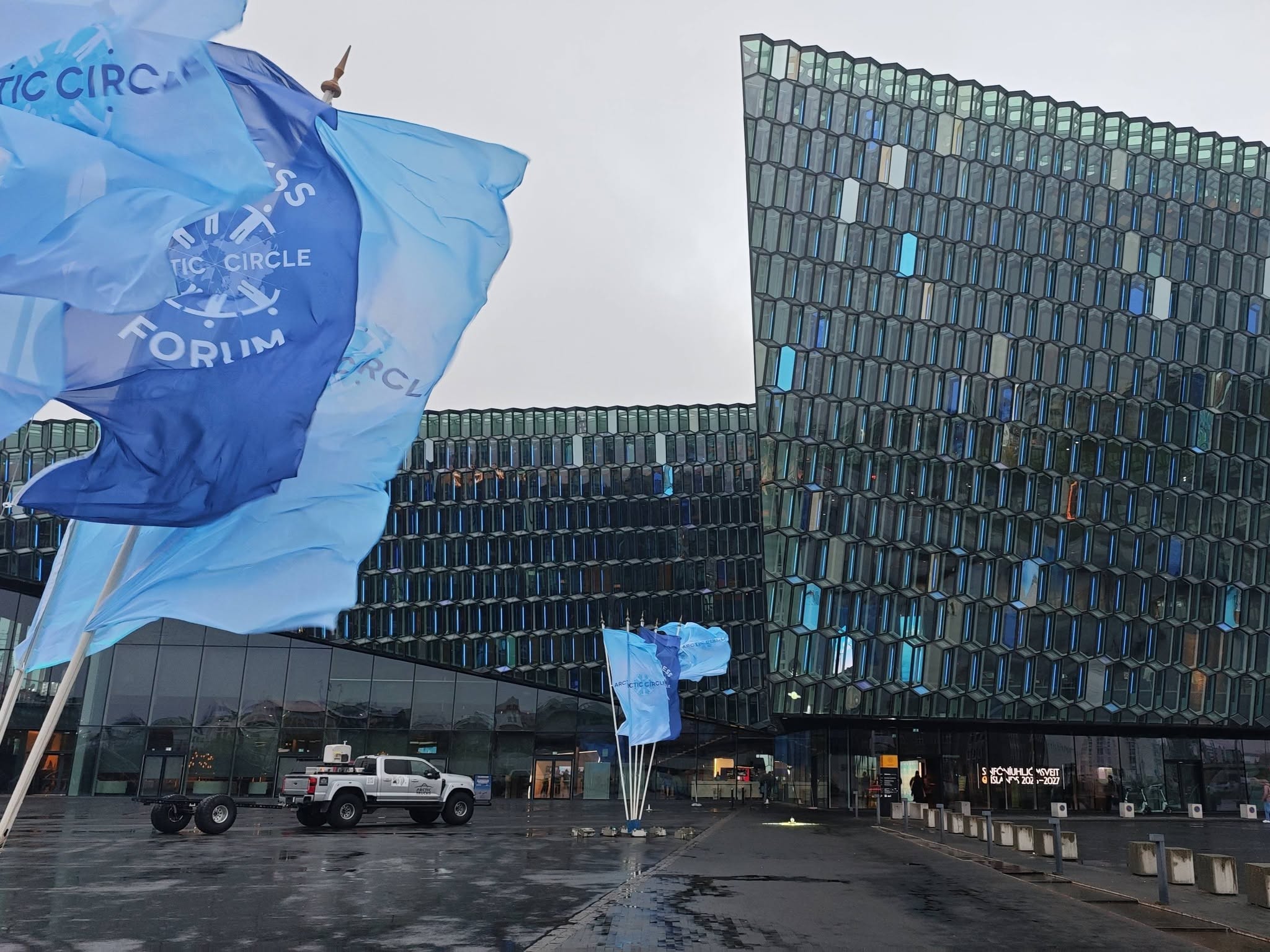
Polish delegation of scientists participated in the prestigious Arctic Circle Assembly in Reykjavík, Iceland (8 – 10 October 2026), one of the most significant international forums dedicated to the future and challenges of the Arctic.
The presence of the Polish scientific community at this event is a key element in strengthening science diplomacy, showcasing national research achievements, and fostering international cooperation amid dynamic climate and geopolitical shifts.
Our community marked its presence at the forum through the organization of thematic sessions, an exhibition booth, and diplomatic talks:
-
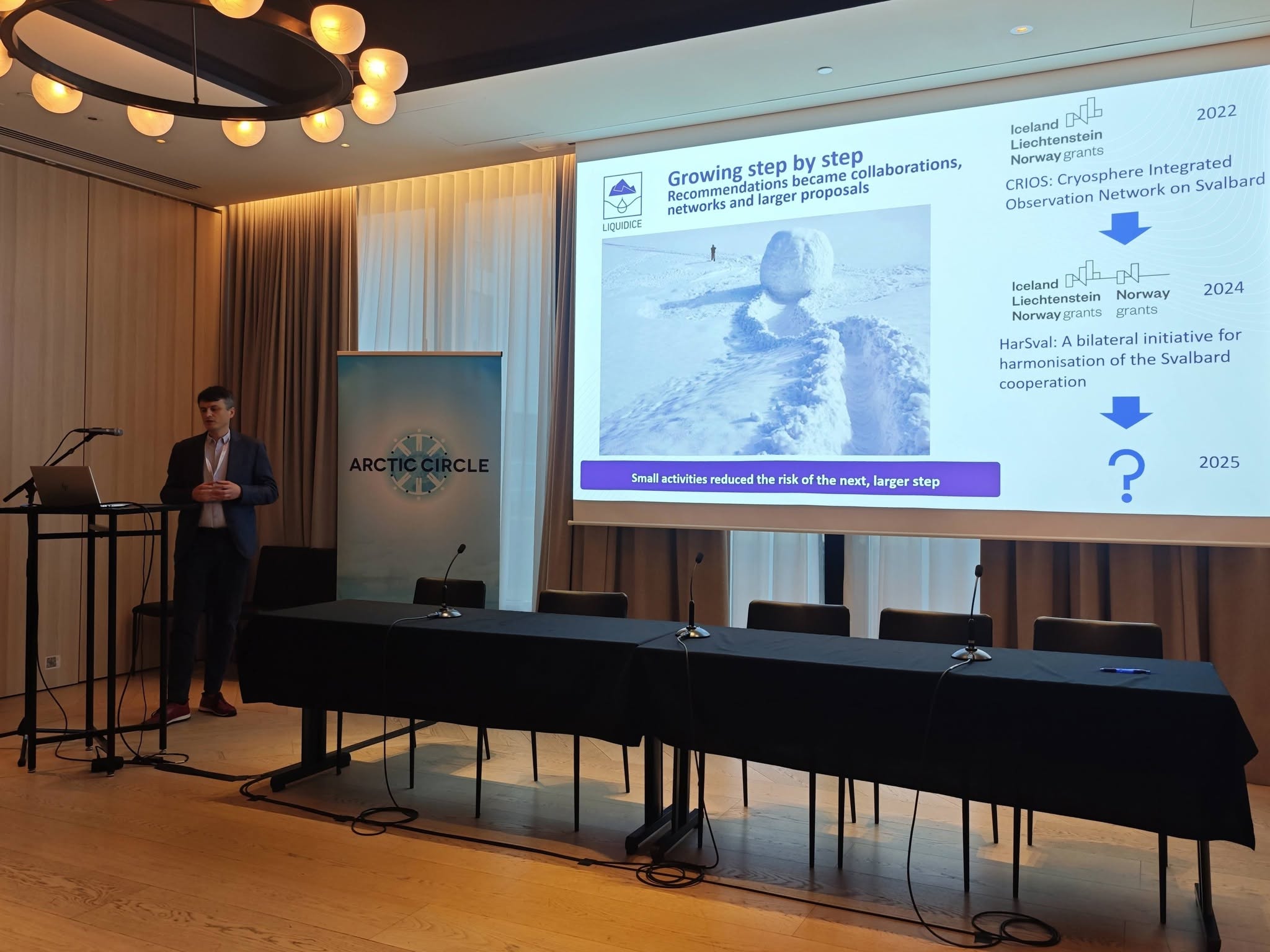
The Polish Polar Roadmap – a presentation of the Polish polar research roadmap and the progress of preparations by the Polish community for the 5th International Polar Year 2032–2033;
-
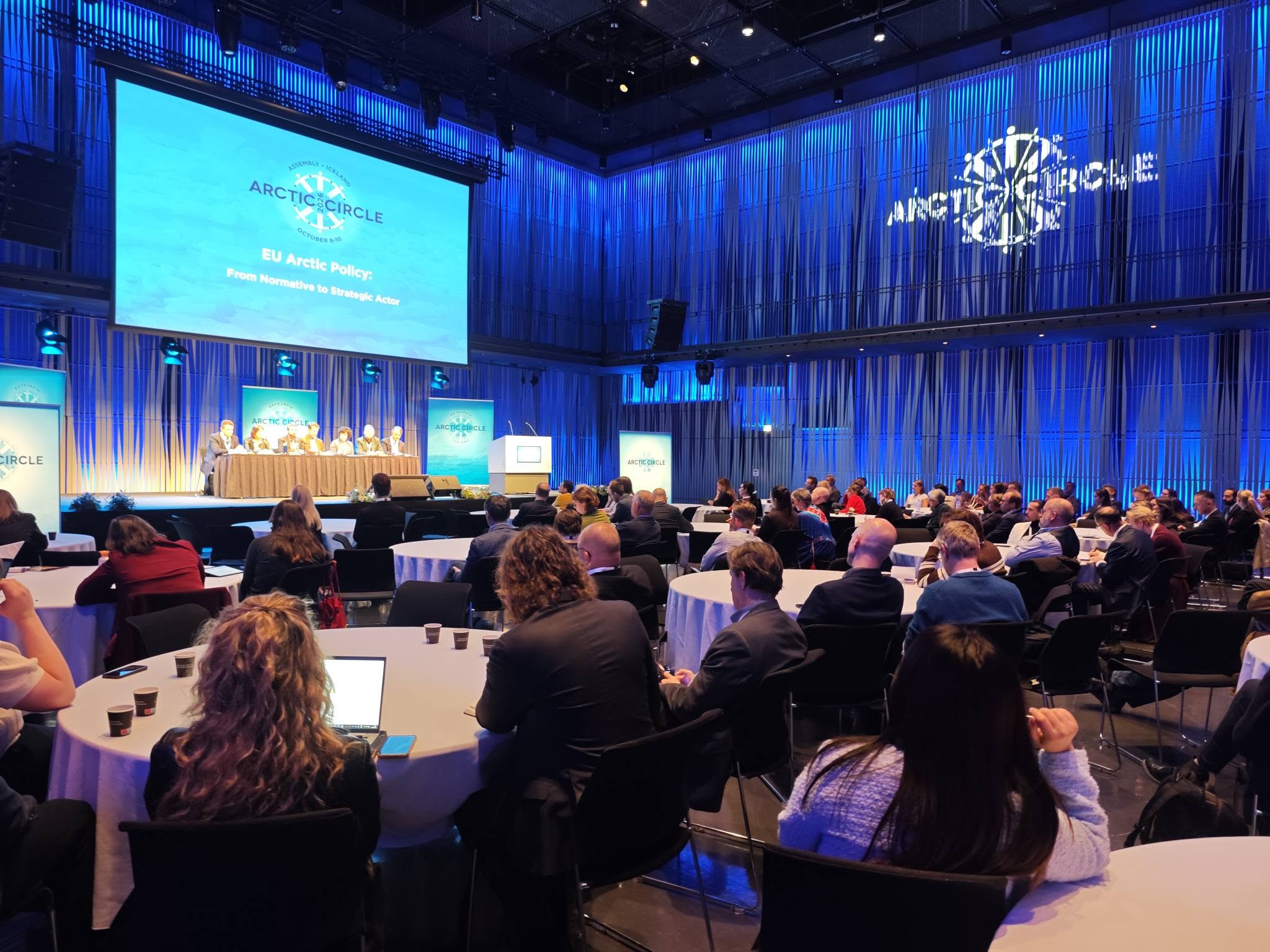
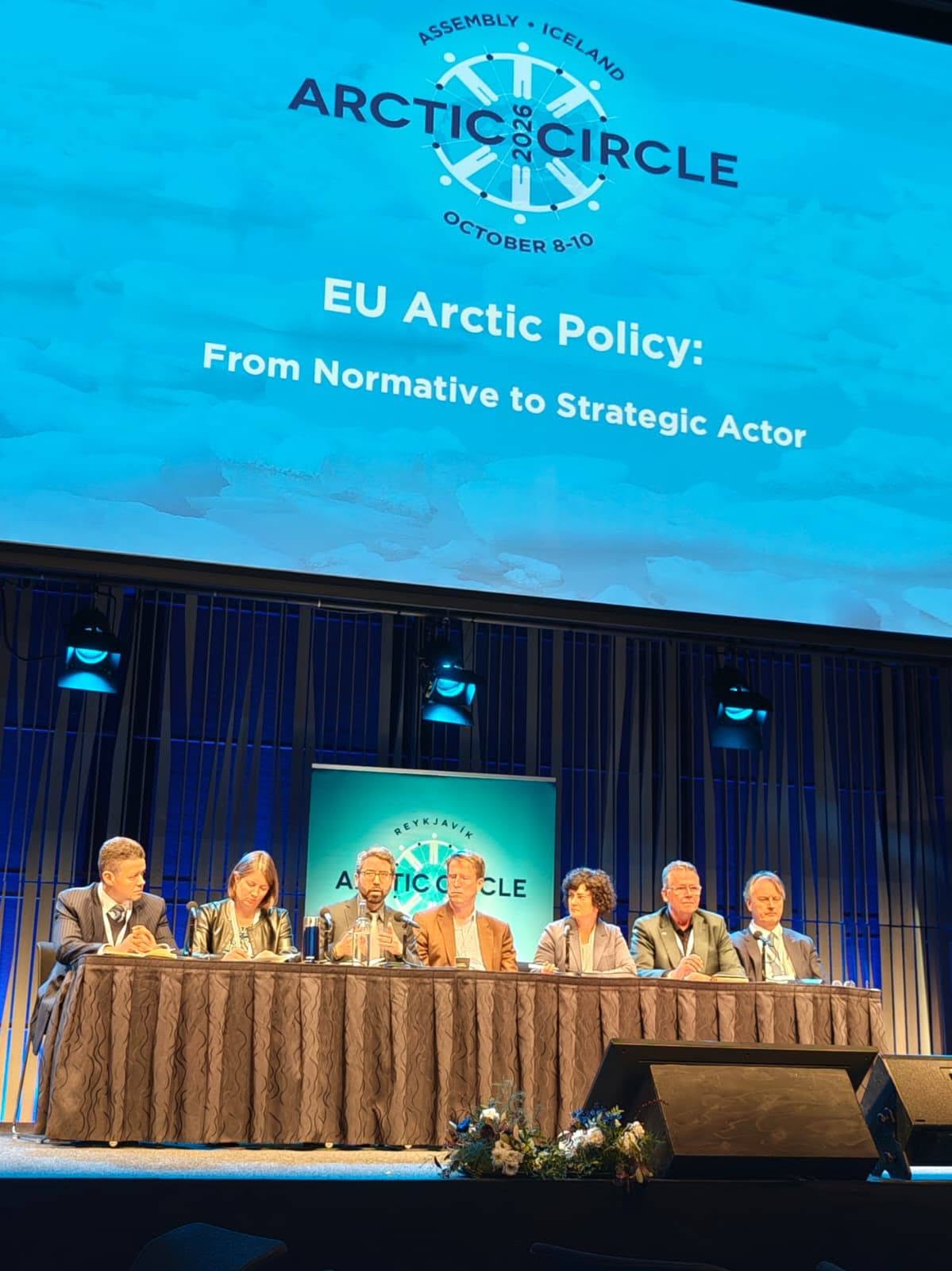
EU Arctic Policy – an international panel debate on the evolving role of the European Union in the Arctic, co-organized with partners from Germany and France, featuring scientists and diplomats;
-
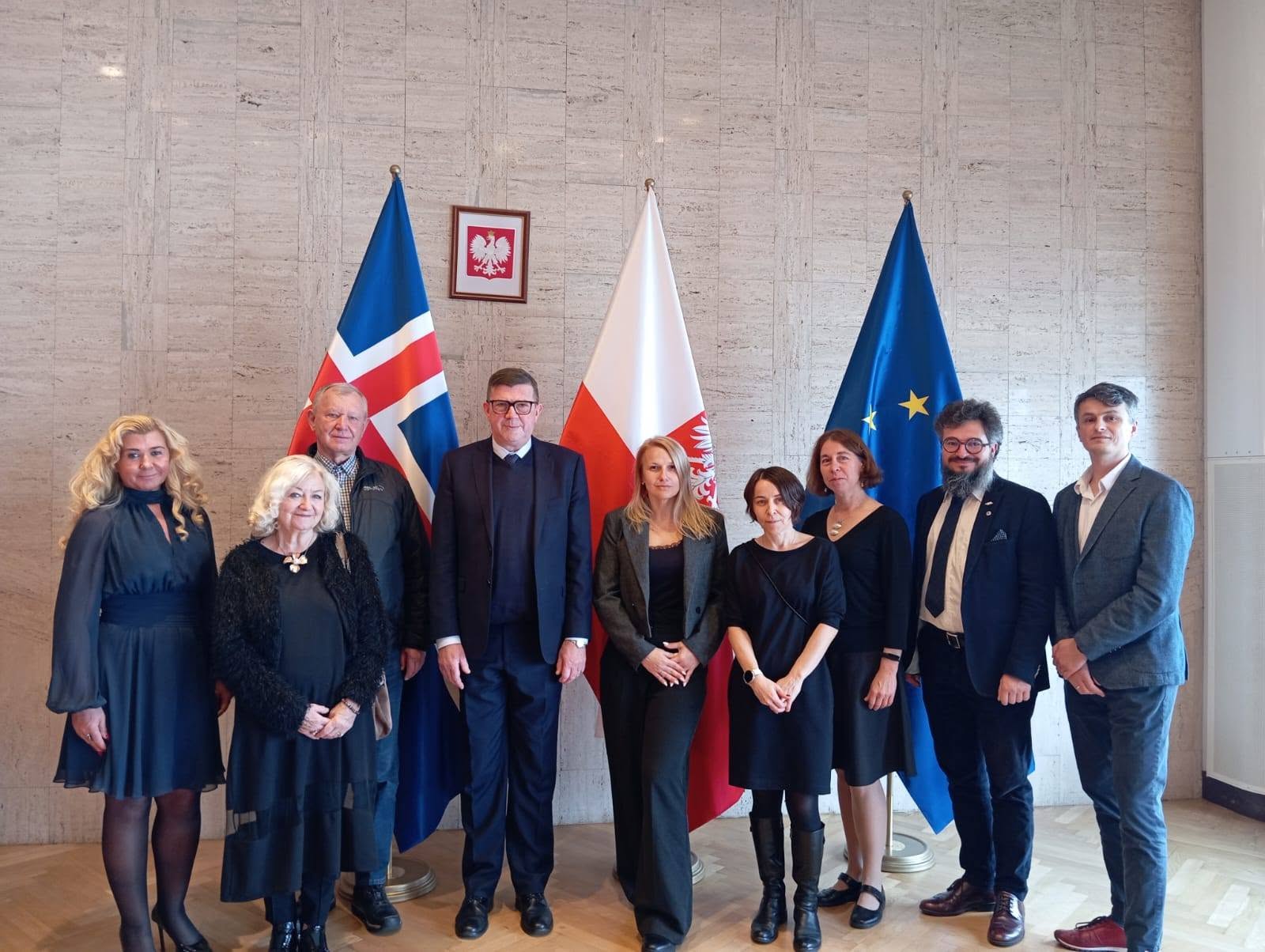
Meeting at the Embassy of the Republic of Poland in Reykjavík – a discussion on leveraging scientific output in diplomatic activities;
-
Bilateral consultations regarding prospects for Polish-Greenlandic cooperation and the establishment of a scientific observatory;
-
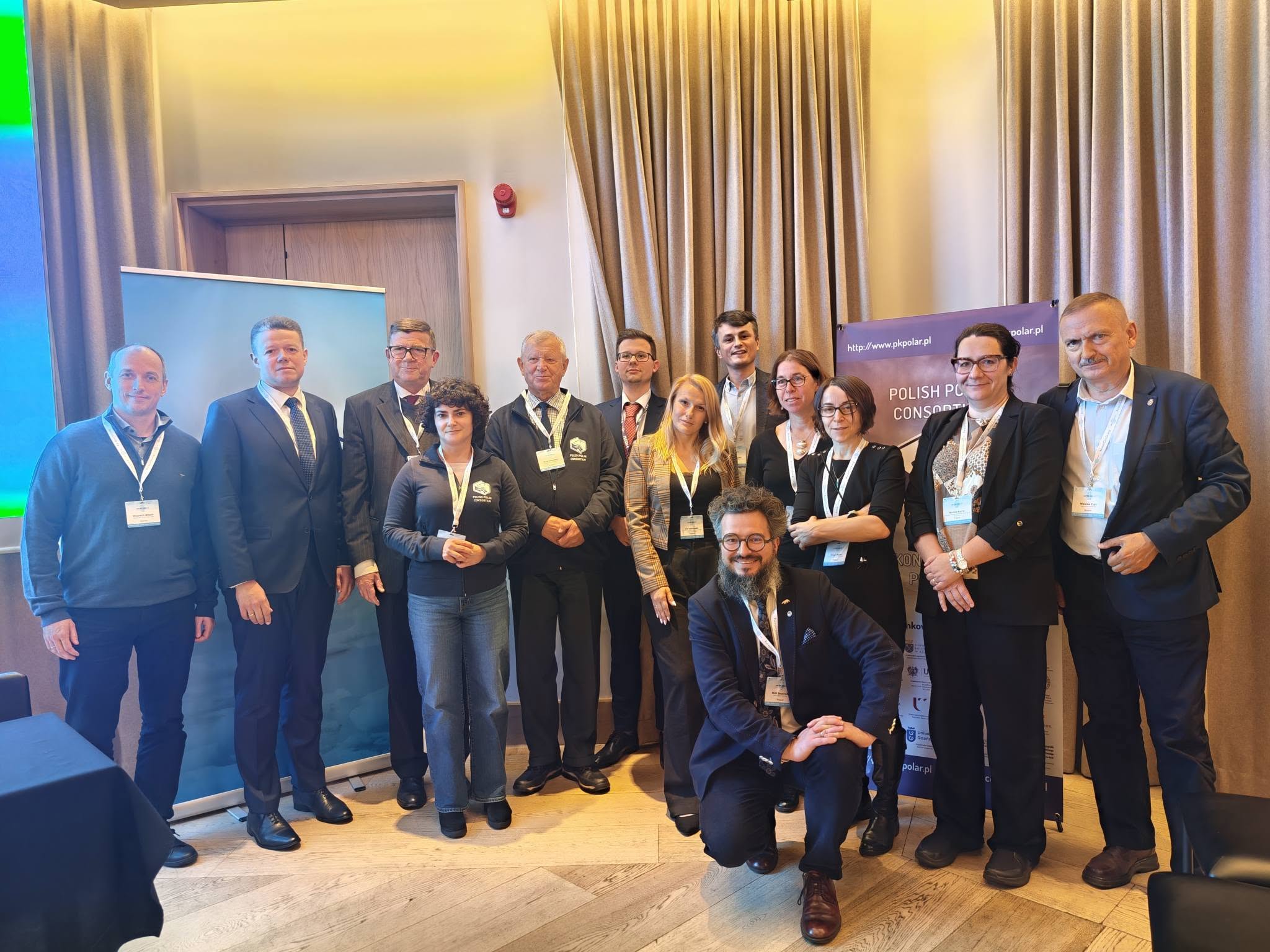
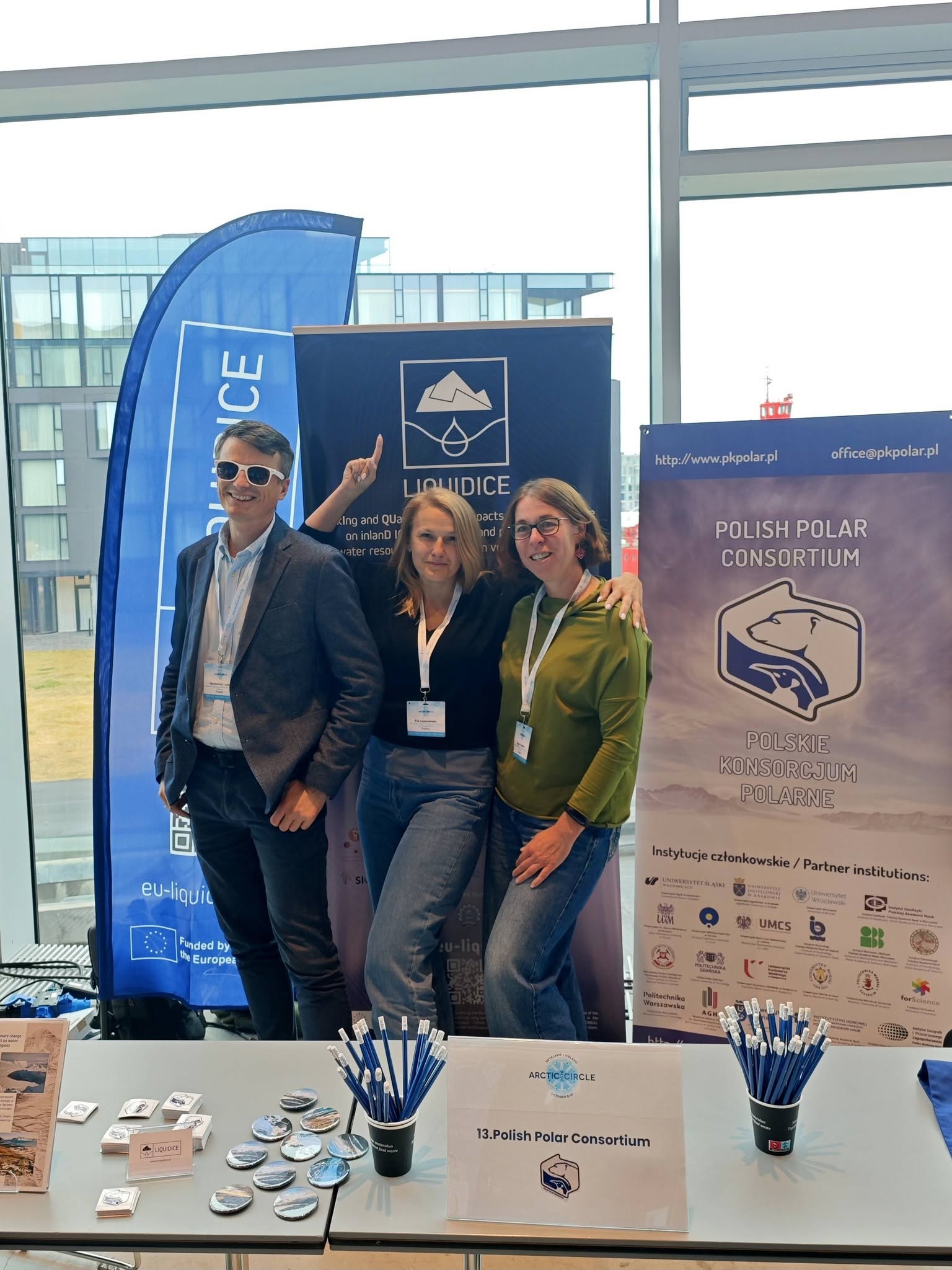
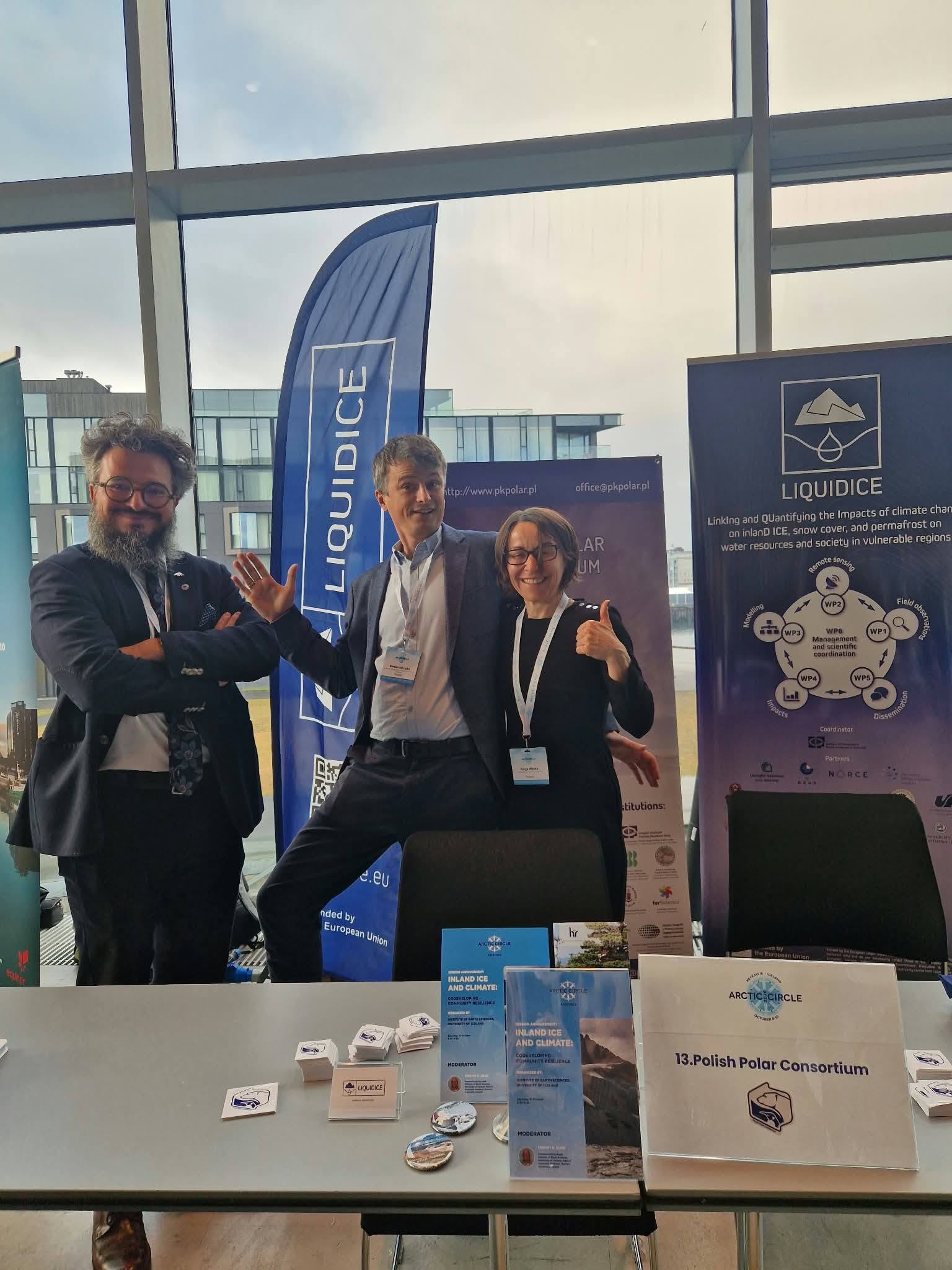
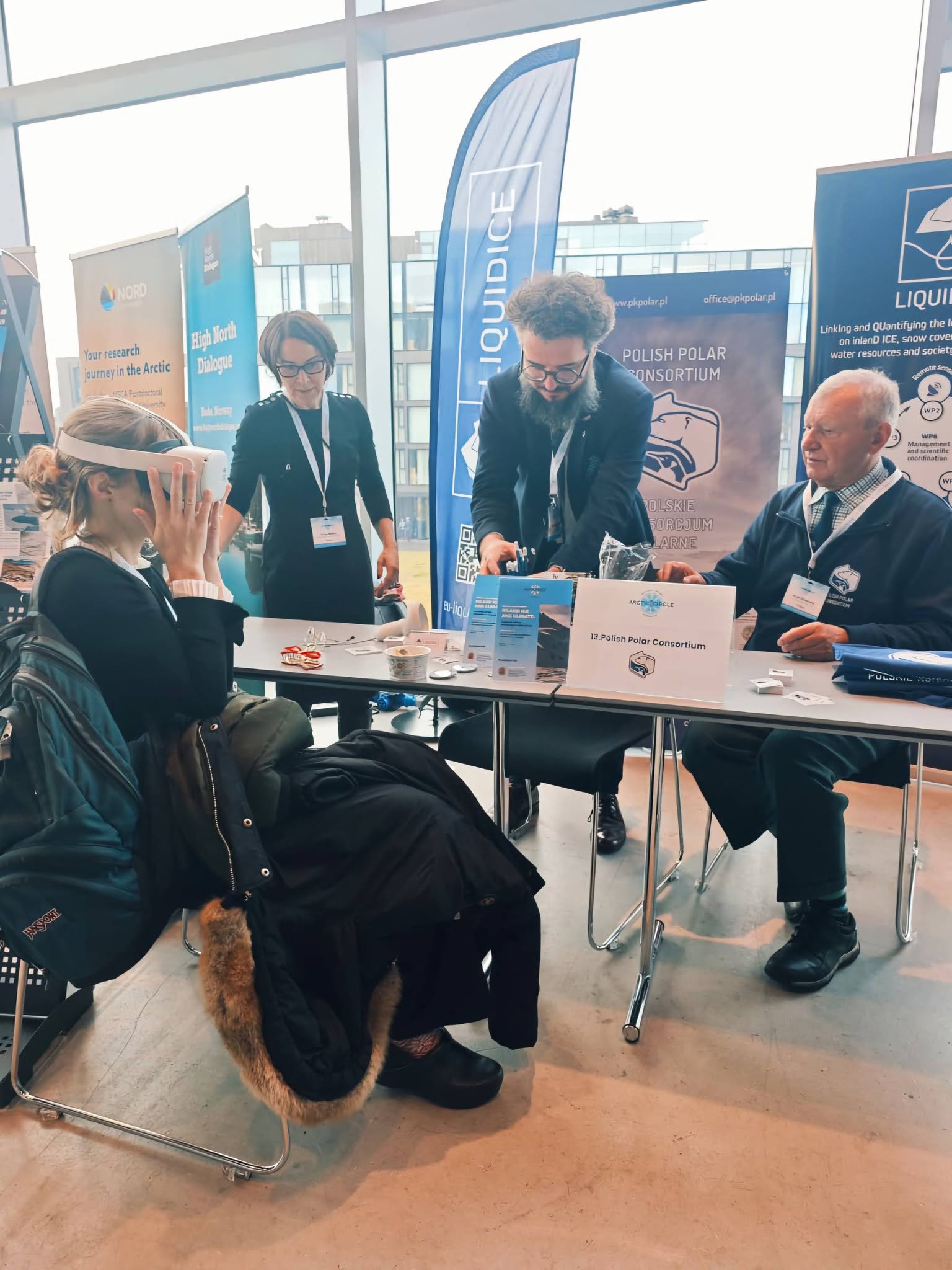
The Polish Polar Consortium organized an official booth under the banner “POLAND & THE ARCTIC: SCIENCE AND DIPLOMACY”, presenting Poland’s research potential, scientific infrastructure, and opportunities for international collaboration in polar regions.
The event was attended by: Dr. Bartłomiej Luks (Institute of Geophysics, PAS), Prof. Mateusz Strzelecki (University of Wrocław), Dr. Agata Goździk (Institute of Geophysics, PAS), Kinga Węzka (Warsaw University of Technology), Ambassador Piotr Rychlik (Ministry of Foreign Affairs of the Republic of Poland), Dr. Monika Szkarłat (Maria Curie-Skłodowska University in Lublin), Prof. Piotr Głowacki (Institute of Geophysics, PAS), Dr. Elżbieta Łepkowska (University of Silesia in Katowice / Polish Polar Consortium), Prof. Wiesław Ziaja (Jagiellonian University), and Prof. Monika Kędra (Institute of Oceanology, PAS).
Polish researchers also actively contributed to panel discussions on glacier dynamics and the application of artificial intelligence in science. A prominent example of international involvement represented by Polish scientists is the LIQUIDICE project (funded under the Horizon Europe program), which focuses on studying the impact of climate change on water resources in glaciers, snow cover, and permafrost.
Task funded by the Ministry of Science and Higher Education (agreement no. MNiSW/2026/DN/1110).